
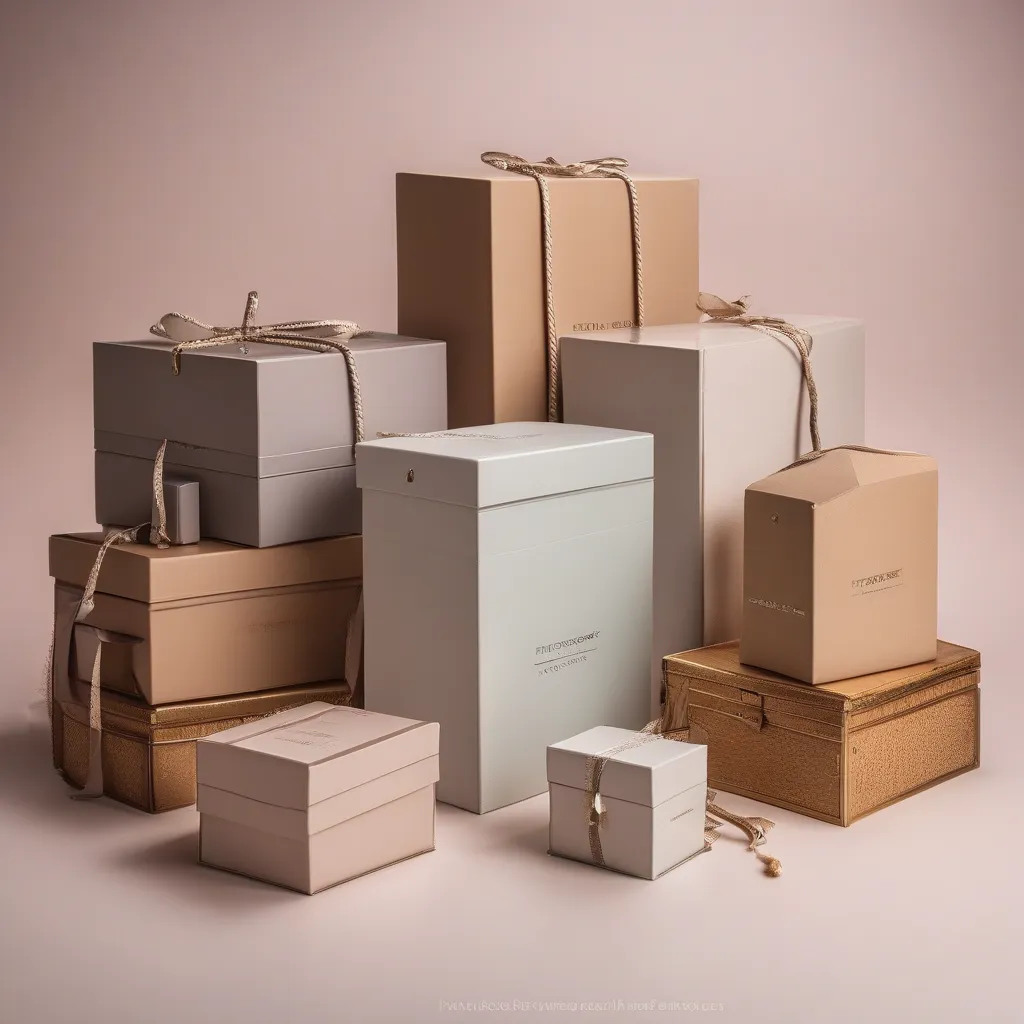
When it comes to packaging solutions, rigid boxes wholesale offer businesses a durable and customizable option for product presentation. Whether you're looking to enhance your brand's image or streamline your packaging process, understanding the nuances of rigid boxes wholesale is essential. This guide provides an in-depth comparison of different types of rigid boxes available in the wholesale market, helping you make an informed decision that aligns with your business needs. By exploring the features, benefits, and applications of various rigid boxes, you can choose the best option for your packaging requirements.
Rigid boxes come in various forms, each designed to meet specific packaging needs. One common type is the corrugated rigid box, known for its strength and cost-effectiveness. These boxes are ideal for shipping and storing heavy items, making them a popular choice among businesses that prioritize durability. On the other hand, solid fiberboard boxes offer a more premium feel and are often used for high-end products that require a sophisticated presentation. Another option is the injection-molded plastic box, which is lightweight and resistant to moisture, making it suitable for a wide range of applications.
When comparing these options, it's important to consider factors such as material quality, customization options, and environmental impact. For instance, corrugated boxes are eco-friendly and can be easily recycled, while plastic boxes may have a longer lifespan but could pose challenges in terms of sustainability. Additionally, the design flexibility of rigid boxes allows businesses to incorporate branding elements, logos, and unique shapes that can enhance product appeal. By evaluating these aspects, you can select the type of rigid boxes wholesale that best suits your business goals and customer expectations.
Selecting the appropriate rigid boxes wholesale involves a careful evaluation of your business requirements and the specific needs of your products. Start by considering the size and weight of the items you plan to package. Heavier products may require stronger materials such as corrugated cardboard or reinforced fiberboard to ensure safe transportation and storage. Conversely, lighter items might be adequately protected by thinner, more cost-effective options like solid fiberboard boxes.
Another crucial factor is the level of customization you desire. Some businesses prefer boxes with simple designs, while others may want intricate graphics or unique shapes to stand out on the shelf. Customization options can vary significantly among suppliers, so it's important to work with a provider that offers flexibility in design and printing. Additionally, consider the volume of your orders, as bulk purchases often come with cost savings and more favorable terms. By aligning your packaging needs with the features and benefits of different rigid boxes, you can make a well-informed decision that supports both your brand and your bottom line.
Q: What are the main advantages of purchasing rigid boxes wholesale? A: Purchasing rigid boxes wholesale offers several benefits, including cost savings, access to a wider range of options, and the ability to secure bulk discounts. It also allows businesses to maintain a consistent supply of packaging materials, ensuring that they can meet demand without delays.
Q: Can rigid boxes be customized with logos and branding? A: Yes, many suppliers offer customization options for rigid boxes, allowing businesses to add logos, brand colors, and unique designs. This can help enhance brand recognition and create a more professional appearance for products.
Q: Are rigid boxes suitable for all types of products? A: Rigid boxes are versatile and can be used for a wide range of products, from electronics and cosmetics to food and luxury goods. However, it's important to choose the right type of box based on the product's size, weight, and storage requirements.
Q: How do I determine the right size and type of rigid box for my products? A: To determine the right size and type of rigid box, consider the dimensions and weight of your products, as well as the level of protection they require. Consulting with a packaging supplier can also help you find the most suitable options based on your specific needs.
 Cosmetic Boxes
 Display Boxes
 Eco Friendly Packaging
 Food And Beverage
 Gift Boxes
 Metalized Boxes
 Retail Packaging
 Box Style
 Other Products