
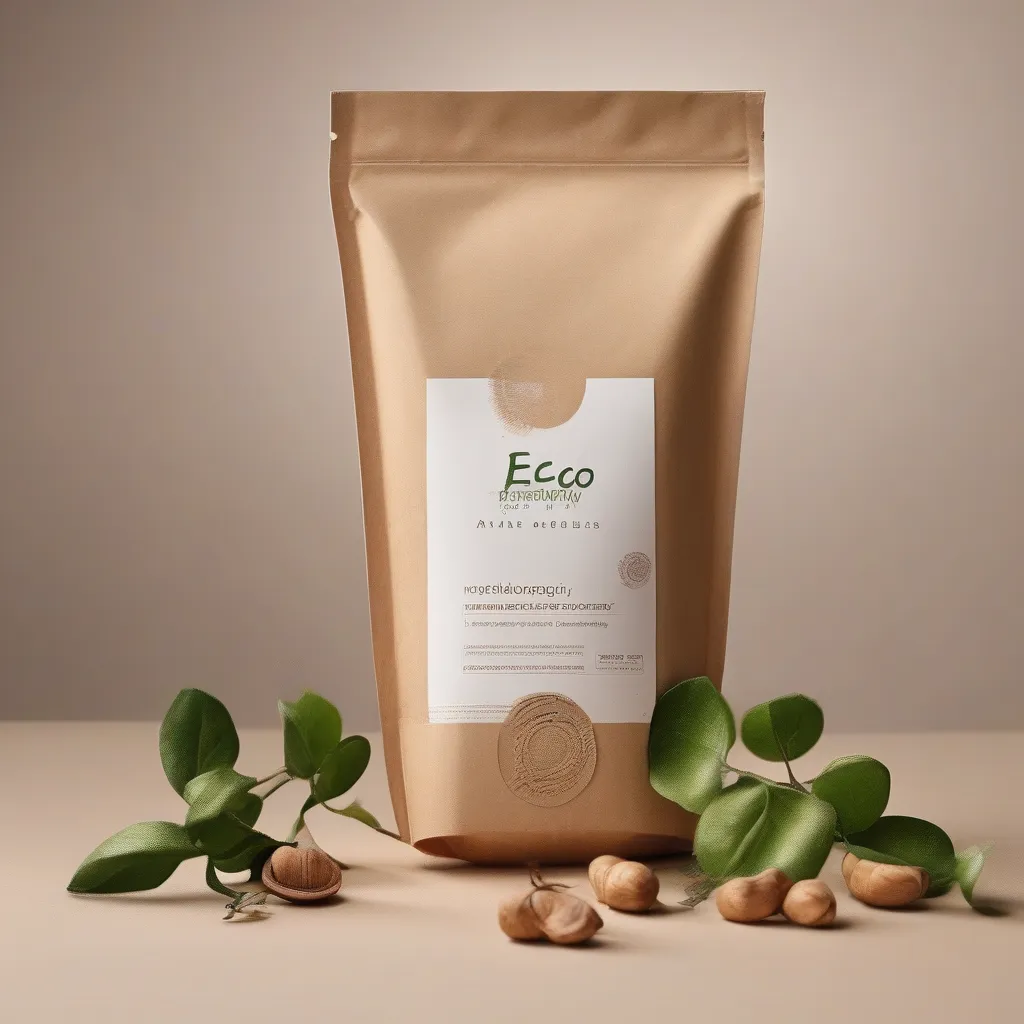
eco friendly packaging
When exploring modern business strategies, finding ways to integrate eco friendly packaging has become a central focus for many brands looking to reduce their environmental footprint. As consumer awareness continues to rise regarding environmental issues, companies across various industries are reevaluating the materials they use to ship and present their goods to the market. Moving away from traditional, non-recyclable materials is no longer just a trend; it is a fundamental shift in how commerce operates globally. By prioritizing sustainable alternatives, businesses can minimize waste, conserve natural resources, and appeal to a growing demographic of conscious buyers who actively seek out responsible brands.
The transition toward greener alternatives involves a careful examination of the entire lifecycle of any given item used to contain merchandise. Historically, convenience and low cost dictated the choice of shipping supplies, often at the expense of long-term environmental health. Today, innovation in material science has paved the way for biodegradable, compostable, and recycled substances that offer the same level of protection without the lingering ecological damage. Manufacturers are investing heavily in renewable resources such as plant-based polymers, molded pulp, and post-consumer recycled paper. These developments ensure that the final product reaches the end consumer safely while maintaining a closed-loop lifecycle that significantly reduces landfill accumulation.
Adopting sustainable methods requires a comprehensive overhaul of traditional supply chain logistics. Brands must evaluate every touchpoint, from the initial sourcing of raw inputs to the final delivery at the customer's doorstep. This holistic approach ensures that efficiencies are maximized and carbon emissions are kept to a minimum throughout the transit process. Collaborating closely with suppliers who share similar environmental values helps streamline the adoption of better alternatives. Furthermore, educating internal teams and external partners on the importance of reducing material waste fosters a culture of continuous improvement, ensuring that sustainability remains a core pillar of operational strategy over the long term.
A sustainable material is typically derived from renewable or recycled sources, requires less energy to produce, and can be easily recycled, composted, or biodegraded without leaving harmful residues in the environment.
Businesses can start by conducting a thorough audit of their current inventory, identifying areas where material reduction or substitution is possible, and gradually partnering with vendors who specialize in green alternatives.
 Cosmetic Boxes
 Display Boxes
 Eco Friendly Packaging
 Food And Beverage
 Gift Boxes
 Metalized Boxes
 Retail Packaging
 Box Style
 Other Products